Next case
Deveron
TEAM
- 3 UX Designers
- 1 UX Researcher
- 2 Product Managers
- 5 Developers
THEMES
- Retention
- Culture
- Design Sprint
- Design Thinking
- UI, UX, UXR
OUTCOMES
- ▲ $18M revenue
- ▲ 900% Retention
- ▼ $1.2M Hiring Cost
Overview
Abstract
Through a year-long initiative, we increased revenue by $18M by retaining and increasing our labor pool through revolutionizing their (Soil Collectors') experience. This led to enhanced job satisfaction, improved productivity, and ensured business growth and stability.
Trust
Earned, Not Given
At Deveron, a soil health company, I led the integration of seven newly acquired agronomy businesses across the US. The corporate office and local shops were in conflict, actively sabotaging each other's efforts. I was given autonomy to address the company's disunity and tackle a significant retention challenge.
Trust is the cornerstone of every successful organization. It's the foundation upon which successful collaboration is built. Before one can be effective in any organization, they need the trust of those they'll be working with. This case study begins before the actual initiative, with solid UX wins for all department leaders to build trust in UX methodologies.
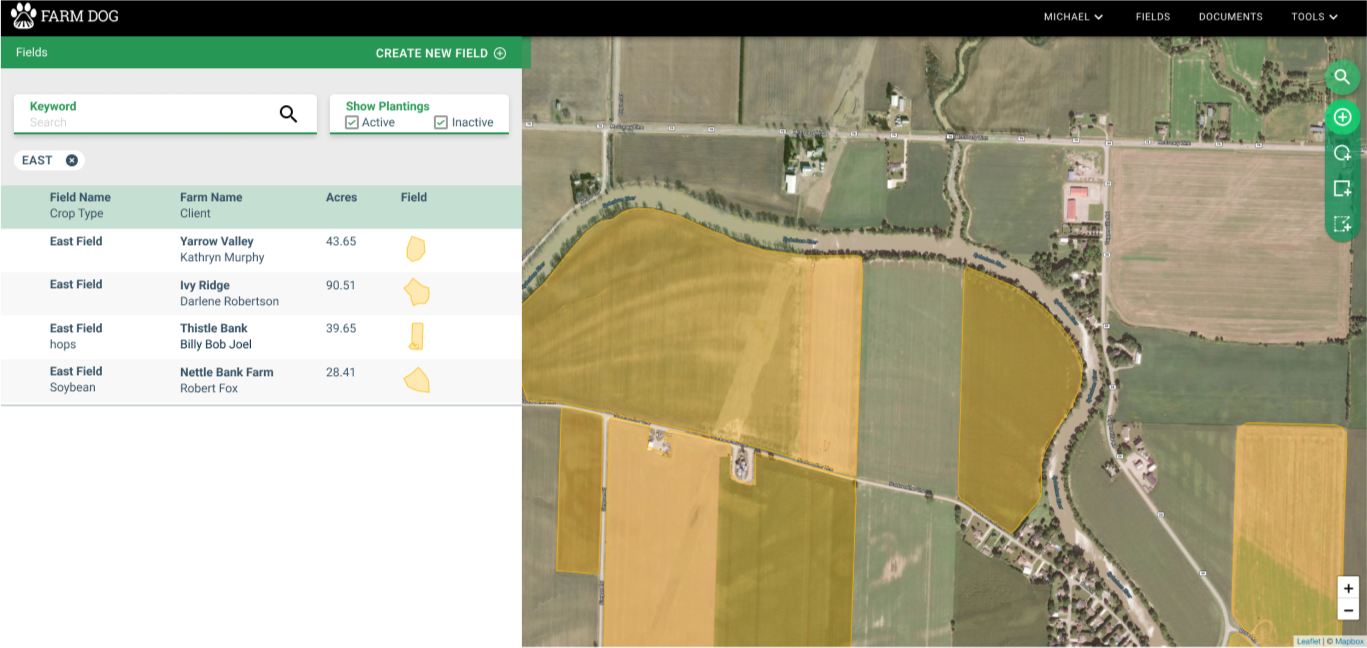
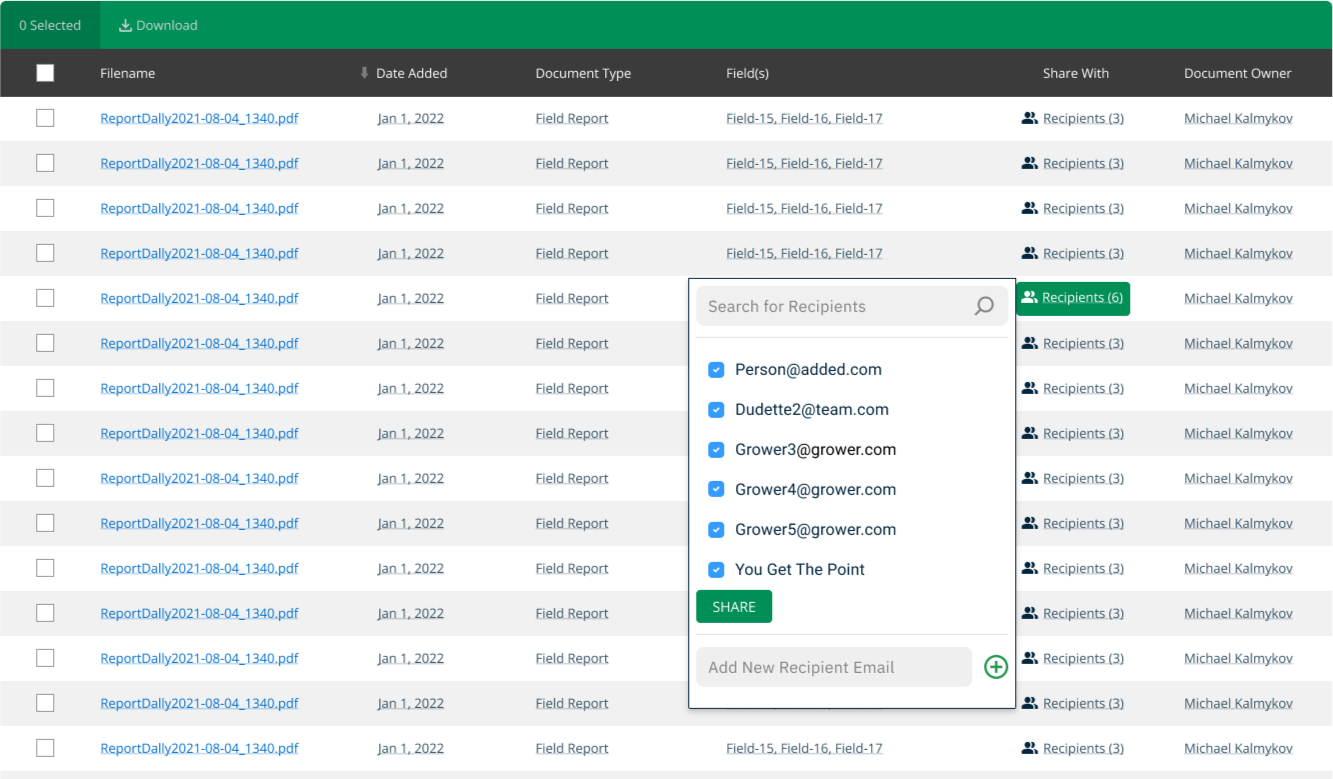
For instance, we helped the Sales leader struggling with shared spaces and loud calls by conducting a half-day design thinking workshop that paved the way for phone booths and modular office furniture. We assisted the Data leader wrestling with feedback loops by implementing UXR strategies to facilitate better feedback mechanisms. For the Operations leader lost in the fog of timing and criteria of point collection, we implemented a well-structured communication and reporting protocol to grant them the clarity they sought.
These targeted interventions not only solved immediate problems but also demonstrated the value of UX methodologies, laying a foundation of trust and credibility for future initiatives.

Research
With this foundation of trust established, I embarked on a journey across the country, visiting local shops in the most remote towns. Through these conversations, I identified a common problem: retaining soil collectors. For every position they needed to fill each season, they had to hire ten collectors due to high turnover.
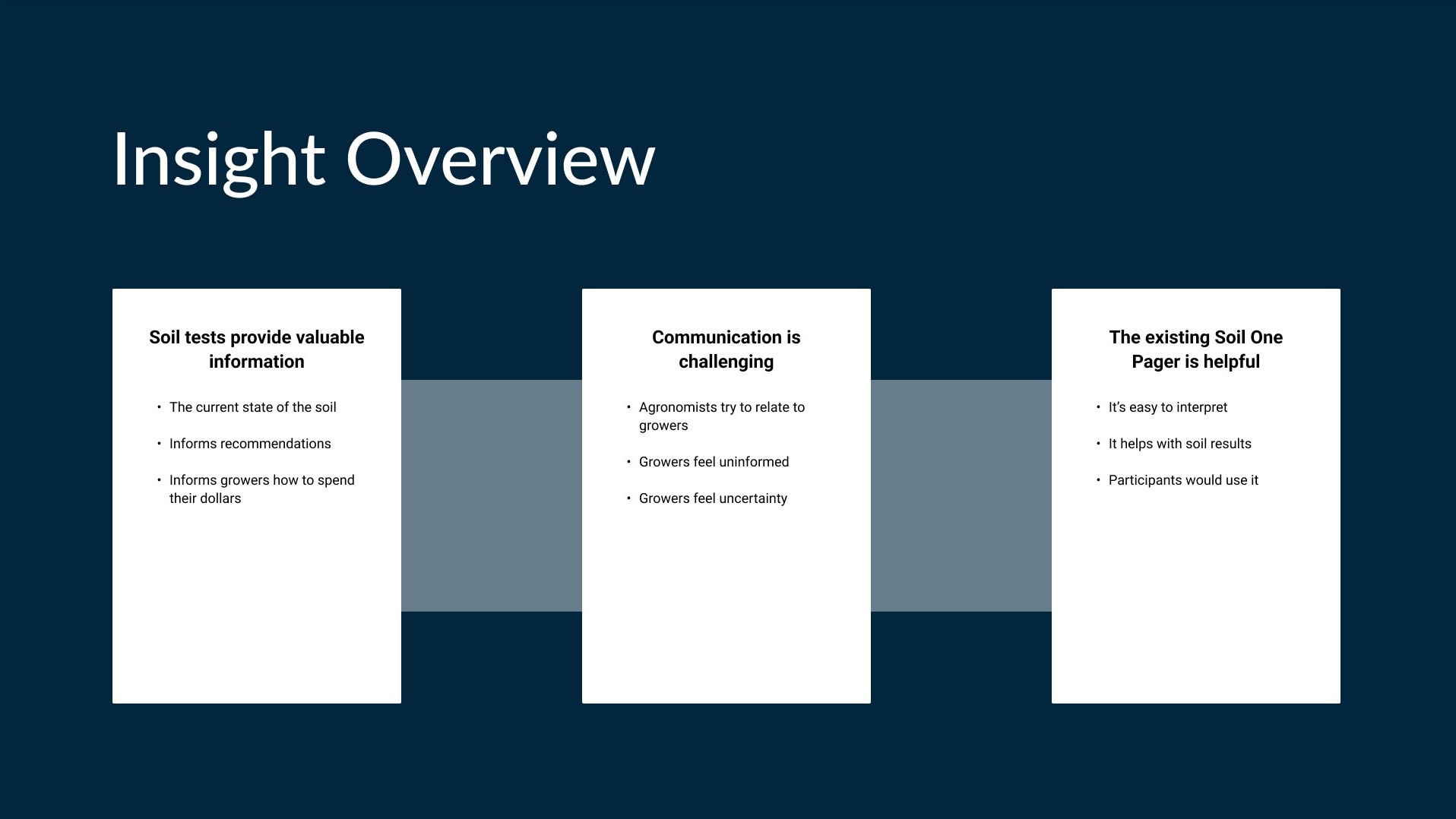
To find the cause, I researched thoroughly. I interviewed everyone in the soil collection chain (present and past), analyzed turnover data, and conducted surveys. We learned that soil collectors, often from farming backgrounds, saw the job as an entry to a career in agriculture. They wanted career growth more than higher pay and wanted to see their work's impact. However, the lack of this coupled with unclear job expectations during hiring led to high turnover.

Challenge
This high turnover resulted in unfulfilled contracts, lost revenue, and irreparable reputation damage. The root causes of this retention problem were multifaceted. Extremely harsh working conditions, poor compensation, lack of career growth opportunities, and unclear job expectations during the hiring process all contributed to the issue.
These problems were compounded by the fact that many soil collectors, often from farming backgrounds, saw the job as an entry point to a career in agriculture. They desired career growth and wanted to see the impact of their work, but the current system failed to provide these opportunities. Solving this issue was vital for improving operations, finances, and unity between corporate and local teams.
Design Thinking Workshop

Workshop Approach
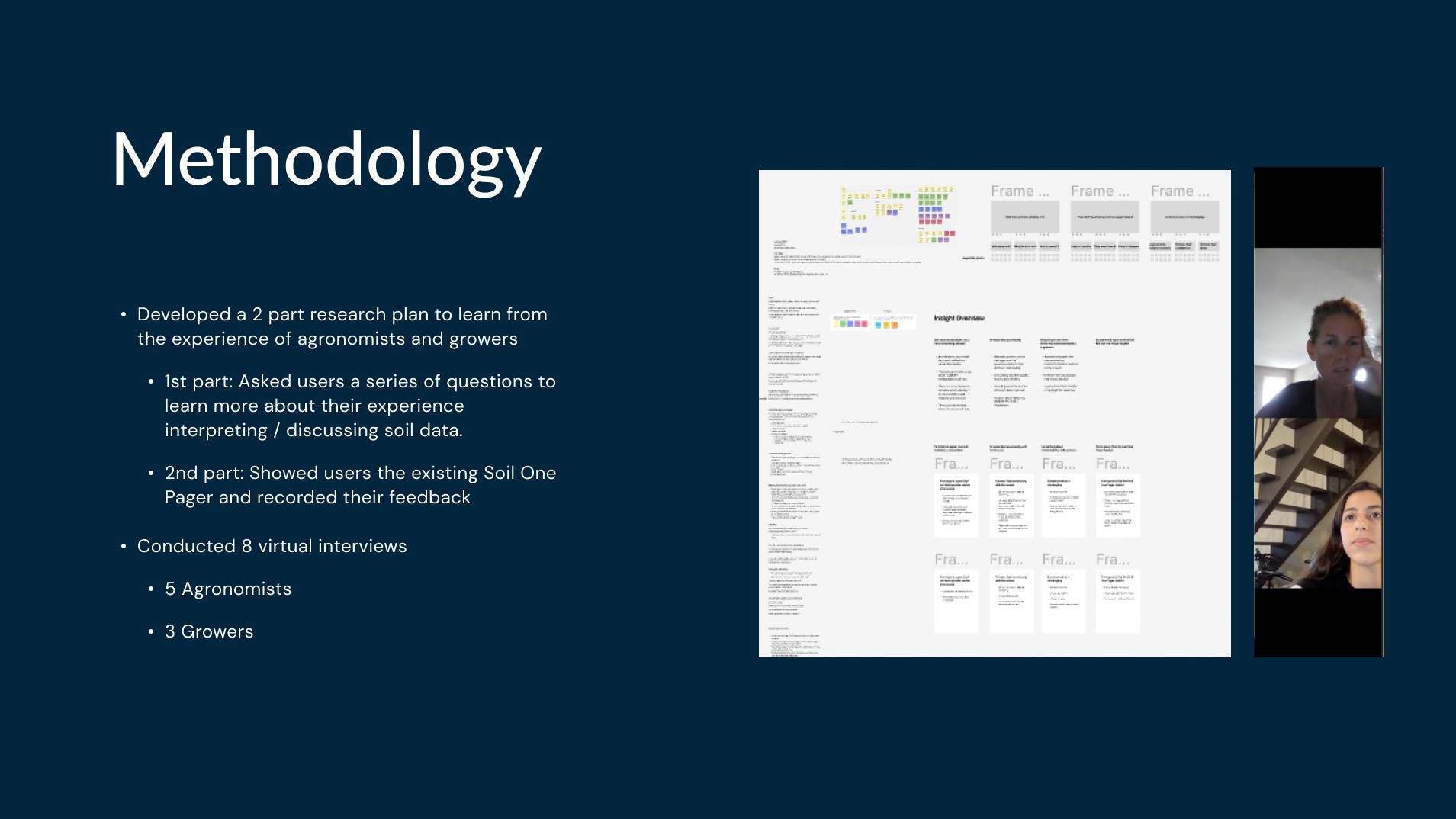
Having gathered a wealth of knowledge from our research, we applied these insights within the confines of our Design Thinking Workshop. This involved the Soil Collectors, stakeholders, and our design team, using several techniques such as structured brainstorming, HMW (How Might We) problem framing, affinity diagramming, dot voting, empathy mapping, journey mapping, and the creation of user personas.

Empathy Mapping
Through the process of empathy mapping, we delved deep into the psyche of the Soil Collectors, capturing their experiences, attitudes, and motivations, allowing us to comprehend the various textures of their work and discern their true needs and frustrations.

User Personas and Journey Mapping
We charted the course of a Soil Collector's workday by journey mapping, from the initial contact to they left, and even after! This aided us in pinpointing their trials and crafting tailored solutions. User personas were born, fictional characters created from our user research, representing the diverse user types that we desperately needed to retain.

Problem Framing and Ideation
By applying the HMW problem framing, we succinctly and clearly defined the problem, setting the stage for ideation. The process of brainstorming unfurled a panoply of ideas, sparking creativity and innovation. Affinity diagramming served to group these ideas, facilitating the identification of patterns and themes. The team then democratically selected the most compelling solutions using dot voting.
Solutions
Based on the insights gathered from the research and the design thinking workshop, we developed a dozen targeted solutions to address the key challenges. Here are a few:
Career path
One of the primary solutions was the development of a career path for Soil Collectors within the organization. This career path provided Soil Collectors with a clear progression plan, allowing them to visualize their future within the organization. It also addressed their desire for a meaningful career in agriculture.
Production Pay
Another significant change was the modification of the payment structure. A Production pay model was introduced, where Soil Collectors were paid based on the amount of soil points they collected. This model was more aligned with the Soil Collectors' expectations and provided a fairer remuneration system.
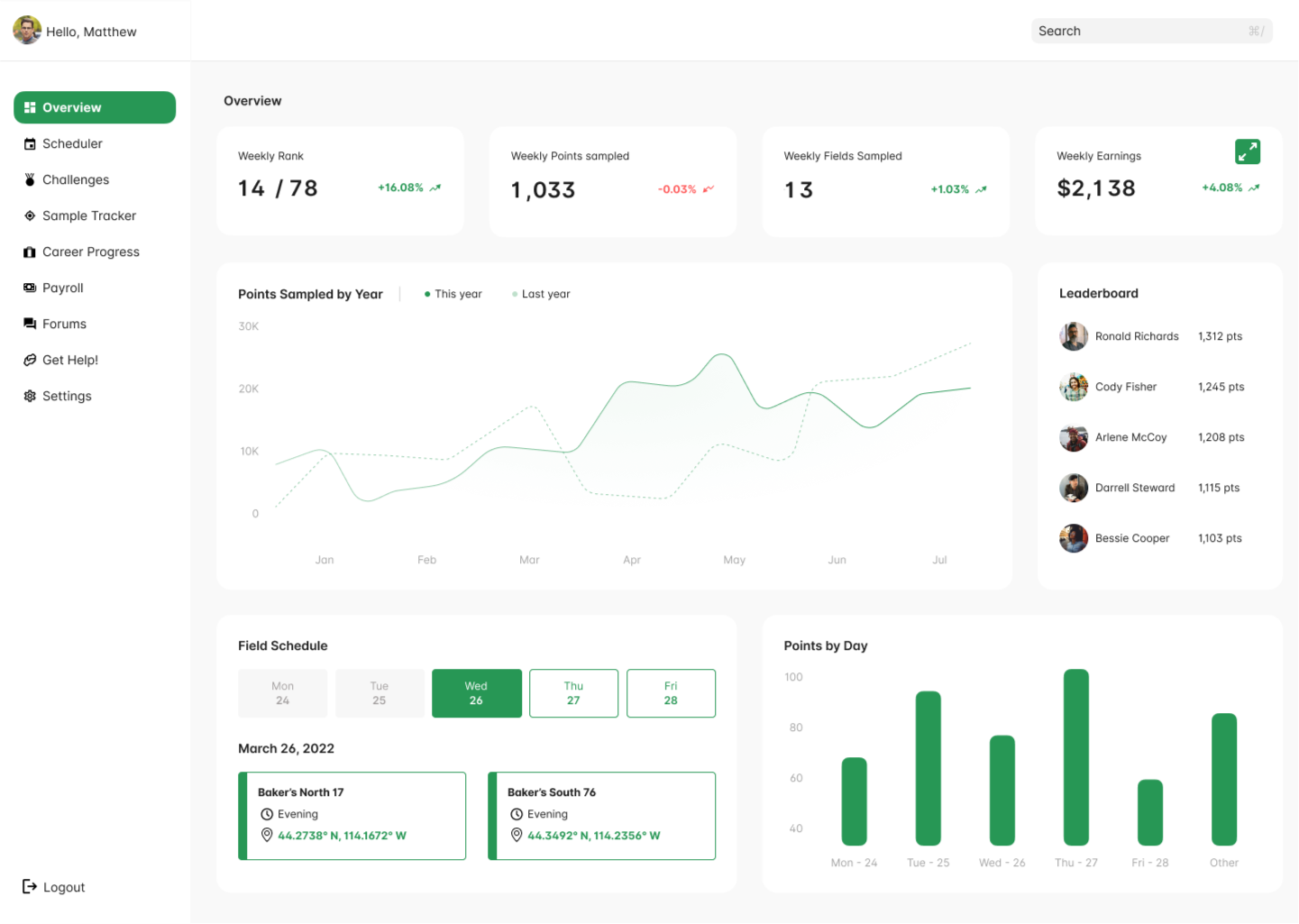
Employee Portal
Lastly, to increase transparency and allow Soil Collectors to track their pay and performance, an employee portal was created. Here, Soil Collectors could see how the soil they collected was being used and compare their performance with others.